

Industrial automation is accelerating, with robotics, advanced planning systems and AI increasingly embedded in daily operations. While these technologies often deliver strong local improvements, achieving consistent system-wide performance gains remains difficult. Many organizations run stable processes yet still struggle to...

Want Amazon-level efficiency – without robots or a mega-budget? This guide reveals proven, practical warehouse innovations from Amazon’s world-class operations: process improvements and digital tools any business can reapply to boost accuracy, efficiency, and resilience. No army of robots required, just smart, scalable ideas you...

Is your business truly prepared for the next disruption? EU regulations and global events are raising the bar for business continuity – and the risks facing manufacturing, supply chain, and logistics firms have never been broader or more complex. This guide delivers a practical, actionable roadmap to building a Business...

KPIs are everywhere, but most companies still struggle to turn them into real business results. Too many metrics, unclear definitions, and political games can leave teams confused or chasing the wrong targets. The good news? A handful of well-chosen KPIs – supported by practical steps, a clear structure, and strong stakeholder...
Standard Operating Procedures (SOPs) have a bit of an image problem, but they’re the unsung heroes behind many successful businesses. Think of them as guardrails that keep your operations from flying off the road – without turning your workplace into a rigid, creativity-killing machine. While maybe not very glamorous, SOPs help...
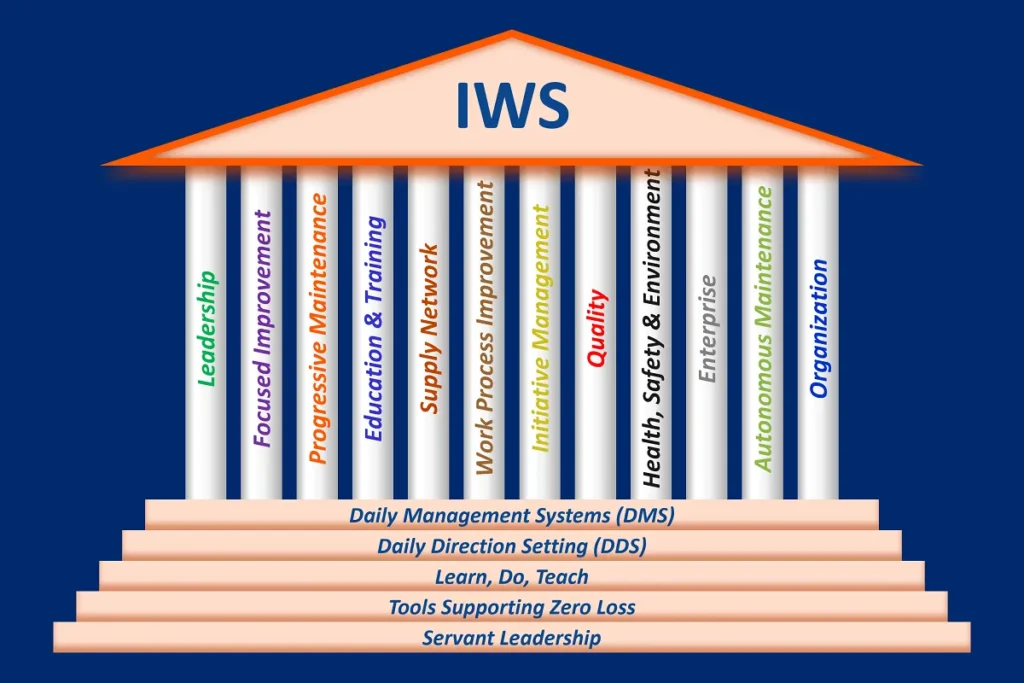
Procter & Gamble's Integrated Work Systems (IWS) is a renowned framework for operational excellence, blending several methodologies into a cohesive strategy. Originally developed to optimize P&G's operations, IWS emphasizes a Zero Loss Mindset and a culture of 100% ownership, encouraging continuous improvement and waste...
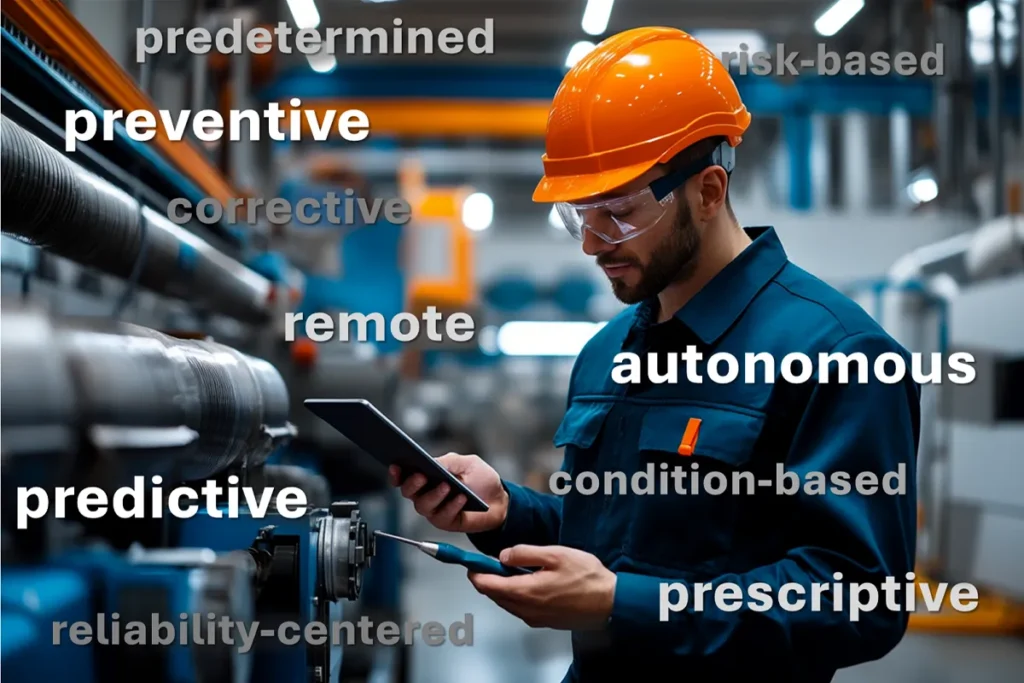
Maintenance is often seen as a necessary evil, but what if it could be a competitive advantage? This guide dives deep into traditional and modern maintenance practices, blending common and cutting-edge techniques to create a tailored strategy for any organization. From insights on how industry leaders like Toyota, P&G, and SNCF...

Supplier bankruptcy, geopolitical instability, cyber-attacks, transport disruptions, natural disasters: supply chain risks can hit businesses hard. A single disruption can shut down operations, cut off revenue, and potentially threaten the company's survival. That is why proactive supply chain risk management is a must, not a...

In the cutthroat world of manufacturing, cost management is crucial for sustaining profitability and for freeing up capital to reinvest in growth, particularly for Small and Medium-sized Enterprises (SMEs) where cash flow can be even more critical. With limited resources compared to larger corporations, they need to be clever...

While digitalization can revolutionize operations, rushing into it without optimizing underlying processes can be detrimental. Digitizing unoptimized processes can lead to faulty data, hidden inefficiencies, and increased complexity. Investing in digital tools without a solid foundation generally results in inaccurate insights...

Small and Medium-sized Enterprises (SMEs) face unique challenges in managing their supply chains, including limited resources, lack of visibility, and dependence on key suppliers. There are however practical strategies for overcoming these challenges, such as leveraging cost-effective solutions, enhancing visibility through...

This short article covers Agile project management methodologies, the different variations in use, and why Agile is an important enabler for SMEs for managing technology/development projects in today’s world; it explains the benefits, including promoting flexibility, better customer collaboration, and faster time-to-market. It...

Continuous Improvement, as a management concept, focuses on gradual enhancement in processes, products, and services over time. Originating in the early 20th century and gaining traction post-World War II, it's characterized by a commitment to identifying and eliminating inefficiencies and defects.
Core principles include the...
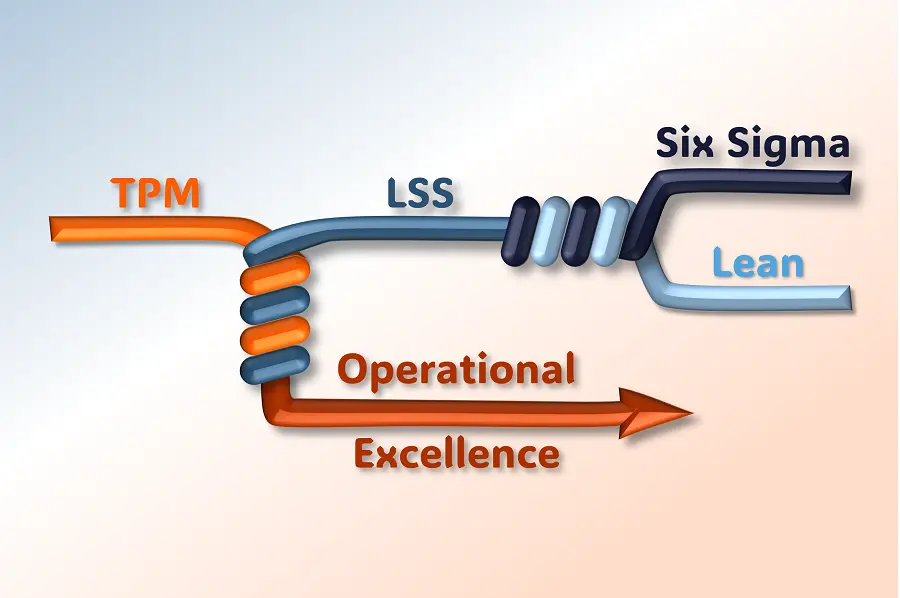
Total Productive Maintenance and Lean Six Sigma are often treated as separate programmes, adopted independently and run in parallel. In practice, they address different layers of the same operation, and understanding how they connect makes both more effective. This article looks at what they share, where they genuinely interact...

Lean Six Sigma combines two complementary methodologies: Lean, which focuses on eliminating waste and improving flow, and Six Sigma, which targets variation and defects through structured, data-driven problem solving. Together, they address both sides of operational performance. This article introduces where each comes from...
Total Productive Maintenance (TPM) is a structured approach to improving equipment reliability through a combination of maintenance discipline and operator involvement. It goes well beyond traditional "fix-it-when-it-breaks" thinking, fostering a proactive and shared approach to asset management. With its roots in Japanese...